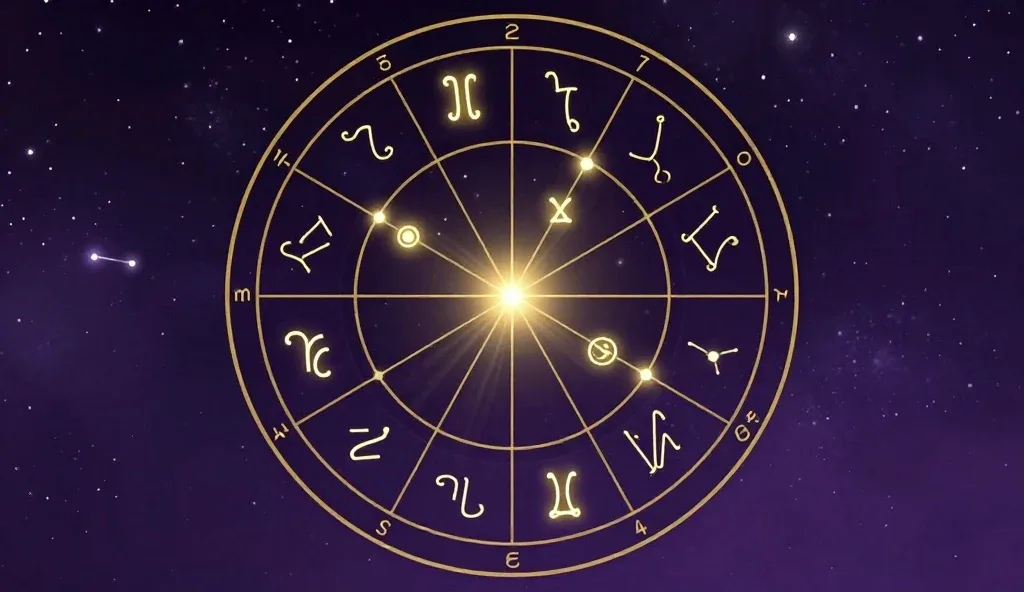
Think of astrology as the greatest film ever made, and you’re the main character in your very own Movie of You. I remember the first time a mentor explained 12 houses astrology to me over coffee, and honestly, it clicked in a way nothing else had before. The 12 zodiac houses are the sets and stages where everything unfolds, each one a segment of your story.
Every house represents a different essential aspect of your lives, beginning with the self and moving into an outward expansion toward society and what lies beyond. The planets step in as the actors, carrying the traits associated with the zodiac signs they wear like costumes, and together they play out their roles on whichever house they happen to visit.
What Are the 12 Houses Astrology?
When I first started reading charts for friends, I used to picture the natal chart as a pie cut into twelve slices, and that image still works today. The 12 houses of astrology are the sections of that wheel, and each house handles a specific corner of your world, whether that’s identity, money, home, communication, or career. These different areas of life represent real chapters of your story that unfold as you grow, while the planets moving through each space influence how those life areas actually play out. What I love about astrology is how the zodiac wraps around the whole wheel, turning it into a living portrait of you.
How Do Houses Work in a Birth Chart?
The second you were born, the planets froze into specific signs and houses, creating the map we now call your birth chart. When an astrologer sits down to learn what it all means, she interprets and blends three things at once, the meaning of each planet, the sign it wears, and the house it lives in, which is how she can predict the gifts and obstacles you’ll meet across a lifetime.
I’ve sat with hundreds of clients, and the magic really shows up when a planet decides to visit one of the 12 houses and light up that corner of the chart, because suddenly those house traits energize and push certain parts of your life into sharp focus, showing you exactly where the best possible action lives. Everyone carries all twelve sections inside their own astrology wheel, even if no planet happens to sit in some of them, and that’s the quiet beauty of the system.
Planets, Signs, and Houses — What is the Difference?
When I teach beginners, I always break it down into three moving parts so the whole system finally clicks, and here’s how I like to explain it:
- The houses are equal slices of a 360º circle, each one a clean 30º or one-twelfth of the wheel, and together they form the house layout of your natal chart, covering every different area of life from personality and appearance to career, relationships, and family.
Think of planets that are having major events going on in your chart, and another settles into a house, it injects fresh energy and action directly into that piece of your world, awakening whatever theme has been created around the house.- The zodiac signs are the “how it operates,” meaning the sign dresses up the planet and tells you the style in which it operates, which is why a Pisces Moon in the 8th house can hand you deep intuition, gut instincts, and intuitive abilities soaked in Watery Pisces emotional depth.
- The Ascendant, also known as the Rising Sign, sits on the horizon at the exact minute of birth and opens the first house, acting like the mask you wear and the first impression you give before anyone really knows you.
- Moving counterclockwise around the perimeter, you travel through the second, third, fourth, and onward until you’ve covered all 12 twelve sections, with each cusp or rim carrying a sign that marks the beginning of that house.
- Seasoned astrologers read the position of every planet associated with a given space, and these valuable insights reveal everything from your relationships to why an 11th house Cancer cusp makes your closest friends feel like chosen family, proving that time and space in astrology always speak in layered insights.
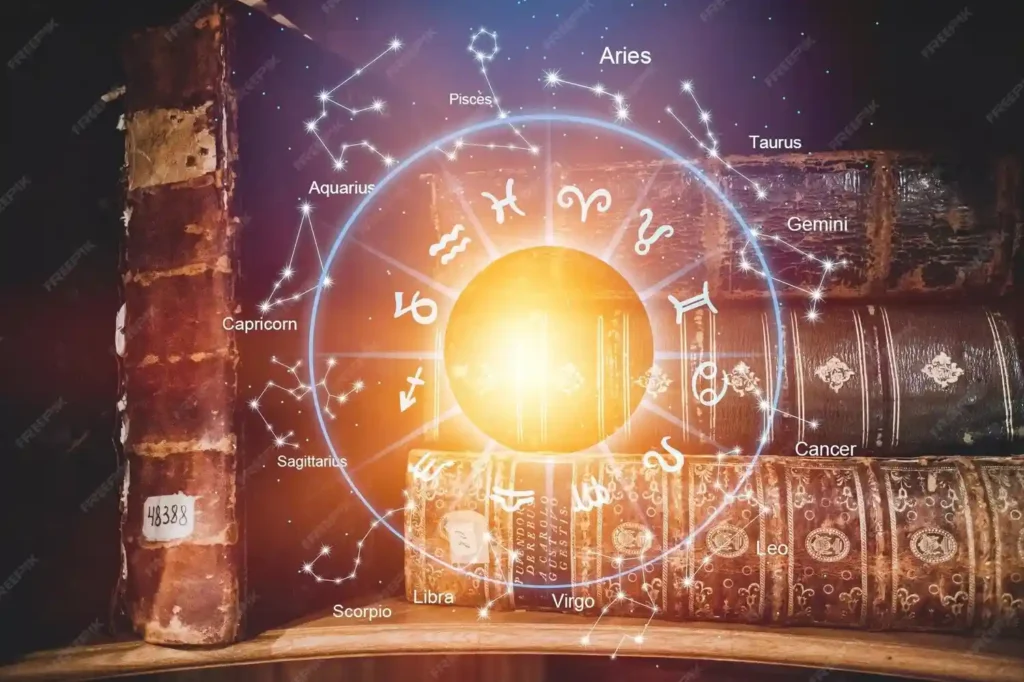
Types of Houses in Astrology
Whenever I walk a new client through their chart, I always start with the categorization of houses because it adds real depth to the interpretation.
Angular Houses
Whenever I walk a new client through their chart, I always start with the categorization of houses because it adds real depth to the interpretation. The angular ones, numbered 1, 4, 7, and 10, are the cornerstones of a life, and each carries its own weighty name, the Ascendant shapes your image, the Imum Coeli anchors your family, the Descendant holds your relationships, and the Midheaven shines over your career and public life. These angular houses are ruled by the four cardinal signs, Aries, Cancer, Libra, and Capricorn, which is exactly why they inject the element of action and raw energy into every house they touch, making them the most important corners of the wheel.
Succedent Houses
Sitting right after each angular point, the succedent houses, meaning houses 2, 5, 8, and 11, carry a very different flavor from their neighbors, and honestly, they’re the ones I find clients underestimate the most. This classification falls under the fixed signs, so you’ll see Taurus, Leo, Scorpio, and Aquarius steering the wheel here, which is why the energy inside these houses feels solid, stable, and deeply concerned with security. They’re the quiet builders of the chart, holding everything in place while the angular houses grab the spotlight.
Cadent Houses
The last group, known as the cadent houses, covers 3, 6, 9, and 12, and this is where things get fluid and interesting in a reading. These spots are ruled by the mutable signs, which means Gemini, Virgo, Sagittarius, and Pisces set the tone, giving the energy a changeable and shifting quality that is naturally aligned with endings, transitions, and the soft close of cycles. Together with the angular and succedent groups, the cadent category completes how astrologers keep every house classified across the 12-section wheel.
The 4 Major Chart Points
In my own practice, I tell every beginner that the four angular houses each carry a different name. The Ascendant stands for your image, the Imum Coeli roots your family, the Descendant governs your relationships, and the Midheaven crowns your career and public life. These four points are ruled by the four cardinal signs, where Aries, Cancer, Libra, and Capricorn weave the element of action into every house they touch, keeping your chart alive even in the quieter hours of life.
Personal Houses vs Interpersonal Houses
Picture a clock for a second, because that’s exactly how I was first taught to read the zodiac wheel, with the first house starting right at 9:00. From that cusp or beginning border, the whole map travels in a counter-clockwise direction, and this quiet path is really the soul’s evolution moving from the individual toward the collective.
Personal Houses (1st to 6th)
The houses 1-6, also called the personal houses or the first six zodiac houses, rule your private and immediate lives, everything from individuality and how you define and express yourself, to your daily environments, siblings, peers, and parents. I’ve noticed in readings that when someone has a cluster of planets in these spots, especially near the 1st house, they often have a hard time leaving the nest and stay nostalgically loyal to childhood friends far into adult life.
Interpersonal Houses (7th to 12th)
Once we cross the line from personal to interpersonal houses, the whole chart opens up toward society and greater society, and this is where life stops being just about you. Houses 7-12, running from the seventh all the way to the twelfth, govern your relationships, joint ventures, travel, career, spirituality, and even the quiet transition at the end of life when the 12th house gently closes the circle. From my own experience, someone carrying a heavy load of placements in these later sectors tends to be deeply career-focused, often growing closer to the friends they meet in adulthood and leaving the past behind with surprising ease.
All 12 Houses Explained
“After years of charting zodiac wheels for clients, I’ve learned that each of the twelve sections has its own personality — learn more about astrological house systems.”
- 1st House in astrology: This is where the zodiac begins, and everything about it screams firsts, from first impressions and the self to appearance, leadership, new initiatives, and fresh starts. The cusp or starting edge here carries your rising sign, also called the ascendant, which is really the door people walk through to meet you.
- 2nd House in astrology: This corner governs your immediate material and physical environment, every little detail your senses can catch like taste, scent, sound, touch, and sight. It also quietly rules income, money, and self-esteem, shaping how much worth you believe you carry.
- 3rd House in astrology: The third slice is all about communication, whether that’s talking, thinking, or fiddling with gadgets and mobile devices. It stretches into siblings, neighborhoods, local travel, libraries, schools, teachers, and everyday community affairs.
- 4th House in astrology: The Cancer-ruled fourth sits at the bottom of the zodiac wheel and holds the foundation of everything, which is why I always connect it to home, privacy, basic security, parents, especially the mother, children, your own mothering abilities, nurturing, and straight-up TLC.
- 5th House in astrology: Ruled by dramatic Leo, this house is a theater for self-expression, drama, creativity, color, attention, romance, fun, and play, and honestly, it’s the spot where life feels the loudest.
- 6th House in astrology: This is the domain of health and service, pulling together schedules, organization, routines, fitness, diet, exercise, natural and healthy living, plus helpfulness and a quiet commitment to being of service to others.
- 7th House in astrology: Here sits the entire world of relationships and other people, covering every shade of partnerships, both business and personal, along with contracts, marriage, and business deals that bind two lives.
- 8th House in astrology: A mysterious sector if there ever was one, this house rules birth, death, sex, transformation, mysteries, merged energies, and deep bonding, while also handling other people’s property, real estate, inheritances, and investments.
- 9th House in astrology: The ninth stretches the higher mind through expansion, international and long-distance travel, foreign languages, inspiration, optimism, publishing, broadcasting, universities, higher education, luck, risk, adventure, gambling, religion, philosophy, morals, and ethics.
- 10th House in astrology: Sitting at the top and most public part of the chart, this house governs structures, corporations, tradition, public image, fame, honors, achievements, awards, boundaries, rules, discipline, authority, fathers, and fatherhood, with its cusp known as the midheaven that points straight at your career path.
- 11th House in astrology: The eleventh handles teams, friendships, groups, society, technology, video, electronic media, networking, social justice, rebellion, and humanitarian causes, along with originality, eccentricity, sudden events, surprises, invention, astronomy, science fiction, and everything futuristic.
- 12th House in astrology: The twelfth and final house closes the zodiac on endings, covering the final stages of a project, tying up loose ends, completions, the afterlife, old age, and surrender, while also touching separation, institutions, hospitals, jails, hidden agendas, secret enemies, and the quiet arts of imagination, creativity, arts, film, dance, poetry, journals, and the subconscious mind.
What Happens When a House is Empty?
One of the most common worries I hear is about an empty house, and I always tell clients to relax. If no planets are occupying a section of your chart, that area of life simply isn’t a major focus right now. The skies are always in motion, so planetary transits eventually touch every corner, and when transits activate a quiet space, the issues are brought to light. I once had a client with an empty ninth house who felt stuck, until Jupiter rolled through and launched her into the most adventurous travels of her life.
Frequently Asked Questions
Which house is the most important?
Honestly, after years of reading charts, I tell everyone the 1st house usually wins this title because it holds your Ascendant, your identity, and the way the world first sees you. That said, the other angular houses, the 4th, 7th, and 10th, are just as powerful since they shape your home, relationships, and career. The truth is, the “most important” house is wherever your planets cluster most tightly.
Can Two People Have the Same House Placements?
Yes, but it’s rarer than you’d think. For two people to share identical house placements, they’d need to be born on the same day, in the same location, within minutes of each other, because the Ascendant shifts roughly every two hours. I’ve seen this with twins, where their natal charts look almost like mirrors, yet even then tiny planet movements can create subtle differences. Same zodiac signs, same houses, but life still unfolds uniquely.
How Do I Find My Houses in My Birth Chart?
To find your houses, you’ll need three details, your exact birth date, time, and city, because even a few minutes can shift your Ascendant into a different sign. Plug these into any free natal chart calculator online, like Astrocalcpro.com or Co-Star, and your full wheel pops up with all 12 houses mapped out. I always suggest double-checking your birth time on your certificate, since an accurate chart depends entirely on that precise moment.