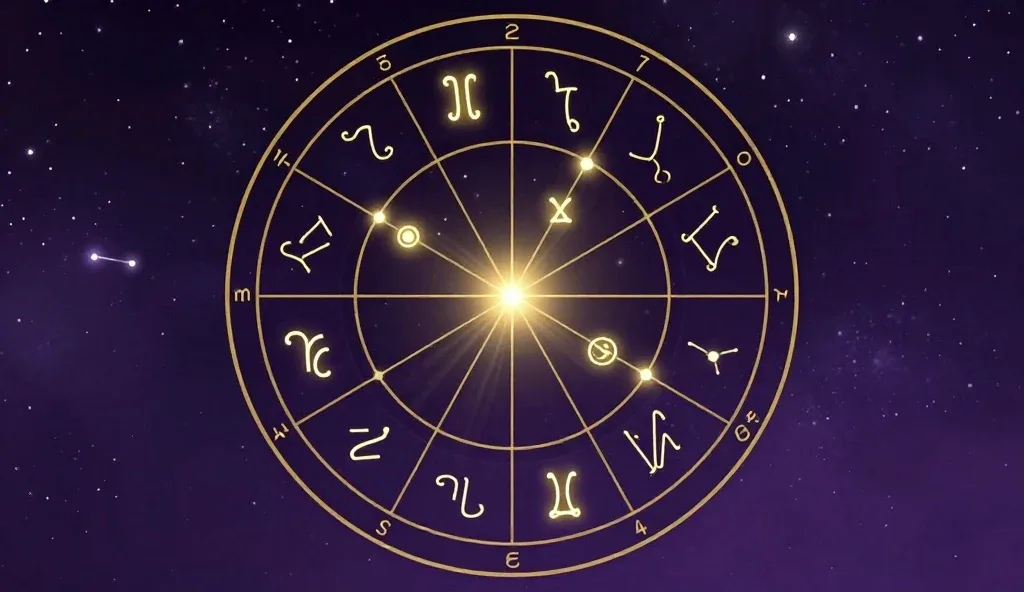
Some relationships just click from the first hello, while others feel like an uphill battle you can’t quite win. I’ve spent years studying astrology, and honestly, the moment I started comparing synastry vs composite readings for friends and clients, everything shifted.
These cosmic tools act as a fascinating lens, helping you uncover the hidden patterns that shape how two people’s energies actually interact. Unlike your individual natal chart, which captures your birth moment alone, relationship astrology pulls back the curtain on the dynamics between partners, whether it’s a romantic partnership, a close friendship, or even a business collaboration.
Here’s where the magic of synastry and composite comes in, and understanding the key differences can genuinely apply to your daily life. The synastry chart feels like a live conversation between two souls, showing how each person influences the other and where compatibility sparks or friction grows. The composite chart, on the other hand, treats the union itself as a third entity, painting a picture of the relationship as its own being.
Together, these powerful tools and star maps offer deep insights into challenges and growth potential that most couples never break down on their own. So let’s dive in, step by step, and start navigating the stars’ secrets to better connections with confidence, covering the basics in this guide for effortlessly richer bonds.
Understanding Synastry Charts
The first time I laid a synastry chart on my desk for a couple I was reading, it honestly felt like I was holding up two mirrors between them. A synastry chart overlays one person’s natal chart right on top of another, showing exactly where their celestial bodies align or clash. You get this whole web of aspects, those invisible lines of energy stretching between planets, signs, and houses, and each one tells a small story of attraction or friction. I still remember spotting a client’s partner’s Venus, the planet of love, sitting right inside her seventh house, the house of partnerships, and thinking, no wonder this felt like instant romance.
But then his Mars formed squares to her Moon, and suddenly the passionate arguments she described made perfect sense, pure action and desire bumping straight into raw emotions. That’s the heart of synastry, the you and me dynamic, where two energies spark and bounce off each other through real personal interactions.
To actually build one, you need birth details for both people, meaning the exact date, time, and place they were born. Plenty of free online tools handle the math instantly, but the real interpretation takes practice, and I’d always tell beginners to start with the big three: Sun, Moon, and Rising signs. From there, you look for conjunctions, where planets side by side sit at the same planets same degree, blending energies smoothly into harmony.
Squares show up as 90-degree angles, creating dynamic challenges and tension that genuinely push growth. Trines flow as 120-degree flows, giving you natural ease and quiet support, while oppositions pull partners in opposite directions. It’s less a fixed fate and more a map to navigate choices wisely.
Synastry works beautifully in the early stages of a relationship, helping you figure out why you feel drawn to someone or why certain triggers keep flaring up. Its key strength is honoring individuality, letting you see clearly how each person’s traits affect the other.
I once read a pairing with a fiery Aries Sun and a watery Cancer Moon, and the nurturing clashes with pure impulsivity were written all over the chart, yet that awareness built real empathy and stronger bonds between them. Yes, it can feel overwhelming with all those lines crisscrossing, so I always prioritize the personal planets first, especially Sun to Pluto interactions, because that’s where the real impact lives. Over time, you start seeing recurring themes and patterns across your connections, and the whole thing stops feeling chaotic.
Exploring Composite Charts
Once you step past synastry’s dual view of two individuals talking to each other, the composite chart asks a completely different question. Instead of two individuals in a back-and-forth, it builds a single chart out of the midpoints between two natal charts, landing exactly halfway between both partners’ positions. I like to tell my clients it’s almost like the relationship’s own birthday, an us chart that shows the soul of the partnership itself rather than the people inside it.
The method is purely mathematical: you average the longitudes of every planet from both charts and plot them onto a new wheel, and out comes a unified snapshot of the relationship’s purpose and where it’s quietly headed. I once ran one for a couple and saw a composite Sun in Libra, which instantly spoke of balance and harmony, while their Moon in Scorpio pointed to intense emotional depths they hadn’t even admitted to each other yet.
What I love about composite charts is how they shine in long-term views, revealing the relationship’s inherent strengths and the karmic lessons tucked inside the bond. The midpoint method calculates the exact halfway point between planets with real authenticity, and the final wheel is treated exactly like a natal one, complete with its own rising sign and houses.
When the composite North Node falls in the tenth house, for example, the partnership often thrives through shared career goals, because every aspects set here speaks to collective energy rather than personal ones. This evolutionary focus pulls you past current feelings and shows where the bond is truly going, giving the relationship identity a voice of its own.
Building a composite does demand precise birth times, since the houses depend on them, and without those times you’ll need to stick to planetary positions alone. I usually start the interpretation with the Sun and Moon for core identity and needs, then slowly work through the other branches of aspects. What makes composites feel almost magical is their holistic feel, the way they answer what the relationship meant to teach both people.
A challenging Saturn aspect often signals building endurance together, turning obstacles into foundations instead of handing out blame, and that sense of shared destiny is genuinely moving to witness. They are powerful, no doubt, but I’ll be honest, composites assume a committed union, so for casual ties they can overstate purpose. Still, when the commitment is real, they inspire commitment even deeper by showing the bigger picture neither partner could see alone.

Side-by-Side: Synastry vs Composite Charts Really Part Ways
After years of pulling up both charts for couples in my practice, I’ve learned that putting them head-to-head is the fastest way to see what each one actually does. Both illuminate relationships, yes, but their approaches and the insights they hand you are wildly different.
The table below is the same quick reference I still scribble on napkins when friends ask me the differences between the two, because it demystifies the stars and makes astrology genuinely accessible and actionable.
| Aspect | Synastry Chart | Composite Chart |
|---|---|---|
| Focus | Individual interactions between two charts | The relationship as a single entity |
| Creation Method | Overlay of two natal charts | Midpoint averages of planetary positions |
| Key Insights | Attraction, personal triggers, compatibility | Purpose, evolution, collective challenges |
| Best For | Early dating, understanding dynamics | Long-term commitments, marriage |
| Strengths | Highlights personal influences | Shows unified potential and fate |
| Limitations | Can feel fragmented | May overlook individual needs |
| Feel | Lively dialogue, sometimes chaotic | Harmonious symphony, a touch abstract |
This comparison really shows synastry as a back-and-forth dialogue, lively but sometimes chaotic, while composite plays out more like a symphony, harmonious yet abstract. Neither wins the contest; they complement each other beautifully.
Take aspects as a small example. In synastry, a Venus-Mars trine usually means flirty chemistry bouncing between two people. In composite, that same pairing appears as a blended Venus-Mars, hinting at artistic passion the couple shares as a unit, something subtle yet deeply profound.
Houses behave differently across the two as well. Synastry uses each person’s houses, so you can see exactly where influences land for each partner.
Composite gives you one set of houses instead, pointing to shared life areas the couple builds together. A composite Venus tucked in the fifth house, for instance, points straight at fun, creative dates sitting at the bond’s heart.
Planetary rulerships add another layer. Synastry respects each chart’s rulers individually, while composite treats them as one, handing you a unified view that helps predict how the relationship matures over time through its own quiet layers.
Once you sit with this comparison, understanding these layers genuinely empowers you, and analyzing your own charts stops feeling like guesswork.
When to Use Synastry Charts
Honestly, not every relationship question calls for a full composite dive. Most of the time, synastry charts are what you actually need, especially during those “why does this person drive me crazy, in the best way possible” moments.
I always tell clients to pull up a synastry reading at the spark stage, when you’re still figuring out whether someone holds real potential or just feels exciting for a week. If you’re dating someone new, this is where I’d start without hesitation, because synastry uncovers immediate chemistry almost instantly.
Spotting a Sun conjunct Moon between you two? Those are genuine soulmate vibes, quietly building emotional security from the start. Catch a Mercury square instead and you’re looking at communication hiccups that are far easier solved by addressing early rather than years in.
What surprises people is that synastry stretches well past romance. I’ve used it for friendships, family tensions, and even a tricky boss-employee pair where motivation clashes kept derailing meetings. In that reading, a Jupiter in the other’s tenth house pointed straight at career boosts through quiet guidance, and it changed how they worked together.
Think of synastry as your lens for new connections, helping you gauge initial attraction alongside genuine red flags. It’s brilliant for conflict resolution too, letting you identify triggers like Mars oppositions fueling arguments, and it works wonders for personal growth because others often mirror back your shadows for real self-improvement.
That’s why synastry’s interpersonal focus feels so therapeutic, it gently invites ownership over your own aspect, like admitting, “my impatience really does land hard on you,” which instantly diffuses blame and builds awareness.
For deeper therapy sessions, I like to layer in softer elements most people skip, like Chiron for old wounds or the North Node for growth. A Chiron-Venus aspect can quietly reveal healing through love, turning long-held pain into real strength. Just please don’t cling only to the positives, because tough aspects actually build resilience when you work with them honestly.
Synastry teaches that compatibility isn’t perfection, it’s navigation, plain and simple. What I’ve loved most in my own practice is pulling up charts during easy coffee chats with a partner, then sitting down to discuss findings openly. That single habit turns astrology into a real bonding tool, strengthening trust from day one.

When to Use Composite Charts
The moment a relationship solidifies past the honeymoon glow, that’s when I quietly shift gears and reach for the composite chart for its visionary power. This one is for couples ready to ask the bigger question, “where is this headed?” I often describe it to clients as consulting the relationship’s higher self, the part of your bond that knows things you two haven’t figured out yet. It becomes my go-to around engagements, weddings, big moves, and any real long-term planning.
A composite Saturn tucked into the seventh house, for instance, points to a stable, enduring bond built for the long haul, though it honestly demands work, and that kind of maturity deserves to be celebrated rather than feared.
What a lot of people miss is that the composite isn’t just reserved for romance. It shines beautifully for non-romantic partnerships too, like business duos and creative collaborators. I once pulled one up for two friends starting a studio together and found a Mercury in Gemini composite sitting right at the center, and sure enough, their sharp, innovative ideas kept flowing between them like they’d been doing it for years.
I lean on composites during commitment milestones to read the union’s blueprint, through crisis navigation when tough transits hit to find growth opportunities, and for real purpose alignment around shared missions, whether those are creative projects or deeper humanitarian goals.
Where the composite truly feels magical, though, is inside evolutionary astrology. It quietly reveals karmic threads, and something like a Pluto transformation aspect can push two people through profound change together, the kind no single reading of a natal chart would catch.
During rough patches, composites gently remind you of the bigger why. A challenging Uranus might throw surprises your way, yet it often innovates the bond in ways you didn’t know you needed. I always interpret with care here, starting with the chart’s rising sign for outward expression. A Leo rising composite usually means the couple projects confidence and a real sense of playfulness out into the world.
Combining Both for Deeper Insights
Honestly, why force a choice between synastry and composite when layering them hands you a real 360-degree view? After reading hundreds of couples, I’ve learned this combo is where the magic actually lives, because it blends personal sparks with the quieter pull of relational destiny.
I always open with synastry first, because it tells the “how we met” story and explains that sharp initial pull you felt across a room. Then I gently bring in the composite to add the “where we’re going” chapter, the slow evolution of the bond itself.
Take a couple I read last spring, their synastry Venus-Mars aspects were pouring out raw passion, yet their composite Venus in Pisces kept steering that fire into compassionate service, and together those two layers painted a genuinely balanced love neither chart alone could’ve shown.
The real craft comes in the small techniques I teach clients. Cross-reference aspects first, because synastry tension that quietly eases into composite harmony almost always signals real resolution potential down the line. Then lean into house overlays to see where one person’s personal planets activate the relationship’s houses, lighting up specific life areas.
Add in transits application, watching how current planets move across both charts to reveal timely themes you couldn’t otherwise catch. This combo is absolute gold for counseling, which is why so many therapists quietly use it to bridge individual wounds with collective healing.
I’ve seen a partner’s Saturn in synastry feel heavy and restrictive to someone, yet the same composite placement revealed it as a protective structure holding the whole bond steady.
My favorite suggestion is to build a simple practice around journaling. Jot down your synastry feelings on one page and your composite potentials on the next, and over months real patterns emerge that quietly affirm astrology’s wisdom.
Just hold some balance with it, please don’t overanalyze every square you spot. These are gentle guides, not rigid rules, and the true magic sits in how they inspire conscious choices in love.
Advanced users sometimes add Davison charts, which use a time-space midpoint to stack another layer on top, but in my honest experience the synastry-composite duo stays comprehensive enough without wandering into extra complexity.
Common Misconceptions About These Charts
Let’s be real, astrology is loud with myths, and the noisiest ones always seem to cluster around synastry and composite charts. Busting them honestly opens the door to authentic use. The first one I hear constantly is that “synastry predicts breakups,” and it simply doesn’t.
It maps out dynamics, never dooms a couple, and a tough aspect is an invitation to a lesson, never a curse, because your free will will always outweigh the stars. Then there’s the myth that composites are only built for marriage, which is flat-out wrong. I’ve pulled them up for siblings working through old wounds and even business startups, since that us energy lives inside any real bond.
Another favorite myth is that perfect aspects automatically signal soulmates, but in reality real growth is often born out of friction. And when someone tells me their chart is useless without a known birth time, I remind them that planetary positions alone still offer solid insights, and once you know the time, the houses enhance everything and paint fuller pictures. No one chart rules it all, the two work best together.
People also swear that “composites override synastry,” yet the two complement each other, they never compete. Synastry’s personal view quietly grounds composite’s abstract one, and that’s the whole point.
I’ve watched clients dread outer planets like Pluto, especially a Pluto square showing up in composite, but there’s no reason to fear it. Those placements carry real depth and genuine transformative power if you lean in with curiosity.
At the end of the day, astrology isn’t fortune-telling, these charts empower your self-awareness, which is exactly why debunking myths turns them into honest tools for empowerment rather than hidden sources of anxiety. Share this bit of clarity with your more skeptical friends, because it demystifies the whole practice and gently invites them to explore the stars’ gentle guidance on their own terms.

Practical Examples in Real Relationships
Theory only takes you so far, honestly. The moment you drop synastry and composite into real-life everyday scenarios, everything clicks into place. Take Alex and Jordan, high school sweethearts I read for a few years back.
Their synastry showed Alex’s Sun trine Jordan’s Moon, giving them that easy emotional flow you notice the second they walk in a room. But Mars square Saturn between their charts kept stirring power struggles, and it pushed them to compromise early rather than let resentment build.
Their composite? A Sun in Taurus for steady love, paired with a Moon in Aquarius for independent vibes and breathing space. It genuinely predicted the durable bond they’ve carried through a full 10-year run.
Now flip the lens to business pals Sam and Taylor. Their synastry placed Sam’s Jupiter right in Taylor’s second house, which boosts finances almost on autopilot. Their composite Mercury in Virgo quietly signaled precise, detail-oriented collaboration, and sure enough they shipped a successful app within a year.
I’ve watched the same blend play out across every kind of connection I read for. In parent-child dynamics, synastry Moon aspects handle the nurture, while a composite fourth house brings deep home security. With friends with benefits, synastry Venus-Mars heat carries the spark, and a composite fifth house keeps things as fun without strings.
For exes revisited, lingering synastry nodes quietly point to unfinished lessons, while composite Saturn sits there and tests forgiveness until you face it.
I worked with a couple in a rocky marriage recently where synastry laid their unmet needs bare through a tight Venus opposition. But their composite North Node in the seventh house was screaming partnership renewal, and adding both charts to their counseling sessions created the breakthroughs their therapist alone couldn’t reach. These stories carry a real universality.
From fleeting flings to forever vows, charts quietly illuminate paths couples didn’t know they were walking. Yours might mirror one of these closely, so please pull one up and actually sit with it. My key takeaway after all these examples? They humanize astrology, stripping away the woo-woo reputation and leaving behind honest wisdom for weaving better webs with others.
Tools and Resources for Creating Your Charts
Ready to chart your own course? Honestly, there’s never been a better moment to dive in, because the tools out there now are genuinely beginner-friendly. For synastry and composite creation, you can also explore a free synastry chart reading on Astro.com, one of the most trusted astrology platforms available.
You just plug in your birth data, pick the chart type, and you’re off. One tip from years of doing this, always verify times against real birth certificates if you can, because even a few minutes off can shift the whole house system. For mobile convenience, apps like The Pattern or TimePassages carry thoughtful interpretations right in your pocket, and their paid versions unlock deeper reports with much tighter orbs and precise calculations.
If you want a richer community vibe, Reddit’s r/astrology circles are wonderful for sharing your findings and getting honest feedback.
For more serious study, I always point clients toward books like Planets in Composite by Robert Hand, which is still one of the finest pieces of expert guidance ever written on the subject. Pros sometimes graduate to software such as Solar Fire with its customizable features, but beginners should honestly stay with web tools and simple sites first.
Lean on podcasts like The Astrology Podcast or trusted YouTube channels that keep demystifying aspects in plain language, and treat celebrity couples as low-stakes practice before moving to people you actually know. One thing I stay firm on is ethics, always get real consent before charting someone else, and use every reading for growth, never for gossip.
Lean into active communities and apps, then start small with one chart weekly, and watch your interpretation slowly bloom into genuine stellar insights.
Conclusion: Choosing the Right Chart for Your Needs
We’ve journeyed all the way from synastry’s intimate exchanges to composite’s grand visions, and each chart genuinely decodes relationships in its own way, handing you real tools for harmony and quiet healing.
In my own practice, I’ve noticed synastry suits pure curiosity about connections, while composite quietly inspires commitment to the essence of a bond, and together they empower choices that stay aligned with the cosmic flow.
Astrology has always reminded me that the stars never dictate anything, they only illuminate, so lean on these charts to foster empathy, navigate storms, and celebrate joys as they come.
Whether you’re pondering a crush tonight or nurturing a nest with someone you love, let the heavens guide gently because your relationships deserve that stellar touch, so what’s your next chart adventure?
FAQ ( Frequently Asked Questions)
What is the main difference between a Composite Chart and a Synastry Chart?
The core difference sits in how each chart approaches the bond. A composite chart treats the relationship itself as a single entity, built by calculating the midpoints of both partners’ planets and points to form a whole new reading. A synastry chart, on the other hand, works by comparing two individuals’ birth charts side by side to see how their planets interact and influence each other.
What does a Composite Chart reveal about a relationship?
A composite chart pulls back the curtain on the overall dynamics, strengths, and weaknesses of a bond, along with its deeper life purpose. Rather than zooming into the individuals involved, it treats the connection itself as a third energy, a living thing with its own rhythm.
What does a Synastry Chart focus on?
A synastry chart zooms straight into comparing two individual birth charts to see how energies interact between two people. It’s the go-to tool for reading compatibility, communication styles, emotional bonding, and the potential areas of conflict that might surface down the road.
Which chart is better for understanding relationship potential?
Honestly, both charts carry valuable insights, just from different angles. The synastry chart is your best friend when you want to understand raw compatibility and the everyday interaction patterns between two people. The composite chart, though, gives you a much deeper understanding of the relationship’s overall purpose and its quiet emotional tone as one unit.
Can both charts be used together for better analysis?
Absolutely, and honestly I’d recommend it every time. Using both charts together hands you a complete picture that neither can offer on its own. Synastry shows how two individuals connect on a personal level, mapping the spark, tension, and tenderness between them. The composite chart then layers on top, revealing how their combined energy actually manifests as a shared relationship.
How is a Composite Chart calculated?
A composite chart is built through a careful mathematical process. You take the exact midpoint between each partner’s planetary positions along with the key points like the Ascendant and Midheaven, then plot them onto a new chart. The result represents the energy of the relationship itself, not either person separately.
Can Composite Charts show relationship challenges?
Yes, composite charts are genuinely honest about potential struggles and imbalances inside a bond. Through the planetary aspects and house placements, they can reveal emotional distance, ongoing power struggles, and persistent communication issues that couples often sense but can’t quite name.
Is birth time important for creating these charts?
Yes, accurate birth times for both people are genuinely essential if you want reliable composite charts and synastry charts. Even a small error can throw things off significantly. Incorrect birth times lead straight to inaccurate house placements, which then produce misleading interpretations that can send your whole reading sideways.
Which chart is more predictive of relationship outcomes?
Truthfully, neither chart predicts outcomes with absolute certainty, and anyone claiming otherwise isn’t being fully honest. That said, each serves a different timeline. The composite chart is stronger for grasping a relationship’s long-term potential, quietly showing where the bond is headed as a shared entity. The synastry chart, meanwhile, reveals surface-level compatibility and that immediate chemistry between partners you feel right away.
Where can I generate Composite and Synastry Charts online?
You can easily generate both composite charts and synastry charts online through various astrology platforms, and honestly the technology today is genuinely impressive. Astro calcpro is one of the reliable options I point clients toward, offering interactive visuals alongside thoughtful interpretations that help you actually understand your relationship dynamics rather than drowning in jargon.